毎年11月に開催される「秋の有田陶磁器まつり」は、焼き物のまつりであるとともに、秋が深まる有田の町を楽しむ催しとして親しまれています。
歴史ある町並みに紅葉が彩りを添え、窯元や商店を訪ねて町を歩きながら、有田の食にも触れることができます。
「秋の有田陶磁器まつり」が始まった背景と、実りの秋を彩る、食の器としての有田焼について、2015年、有田焼400年を前にしたインタビューで残された井上萬二の言葉をすくい上げながら綴ります。
「秋の有田陶磁器まつり」、その始まり
有田は400年以上にわたり、焼き物とともに歩んできた町です。窯元があり、器を商う店があり、焼き物とともに育まれてきた町並みがあります。
2003年(平成15年)1月、この町に一年を通して人が訪れるようになることを目指し、有志の女性たちによるボランティア団体が発足しました。こうしてまちづくりに取り組むなかで、5月に開催される有田陶器市とは異なる催しの構想が進められ、2005年(平成17年)、第1回「秋の有田陶磁器まつり」が開催されました。
5月の有田陶器市では歩行者天国が設けられ、多くの人で賑わいます。一方、「秋の有田陶磁器まつり」では、焼き物の歴史を感じさせる場所や、季節の風景に触れる楽しみがあります。
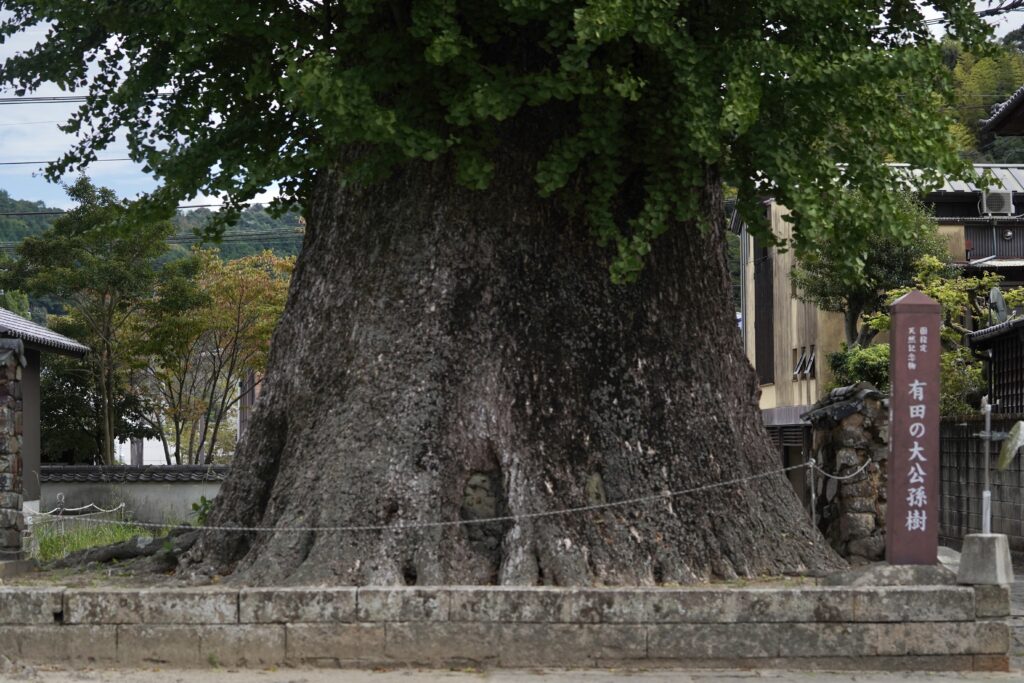
その見どころの一つが、泉山弁財天の樹齢約1,000年ともいわれる大公孫樹です。国の天然記念物に指定された高さ約30メートルの大樹は、紅葉の季節に黄金色に染まり、堂々たる存在感を放ちながら、焼き物の町に秋の風情をもたらします。
萬二自身の作品や井上萬二窯作(当代監修の職人による作品)には、公孫樹をデザインした文様の作品も残されています。長い年月を有田で生き続ける大公孫樹と、作品に描かれたモチーフ。その取り合わせから、大公孫樹のある有田の風景のなかでの暮らしと、その地で作陶を続けてきた萬二との、なにか深く静かなつながりのようなものを感じます。
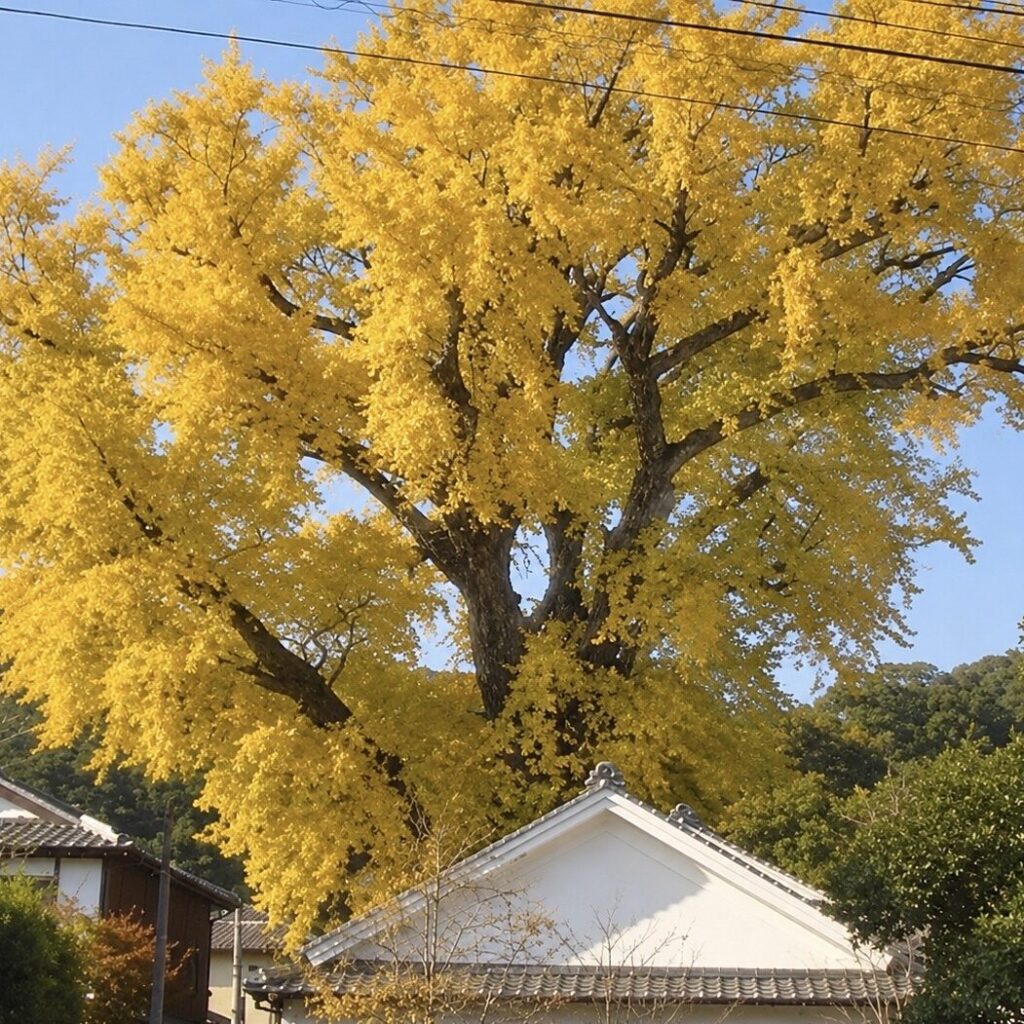
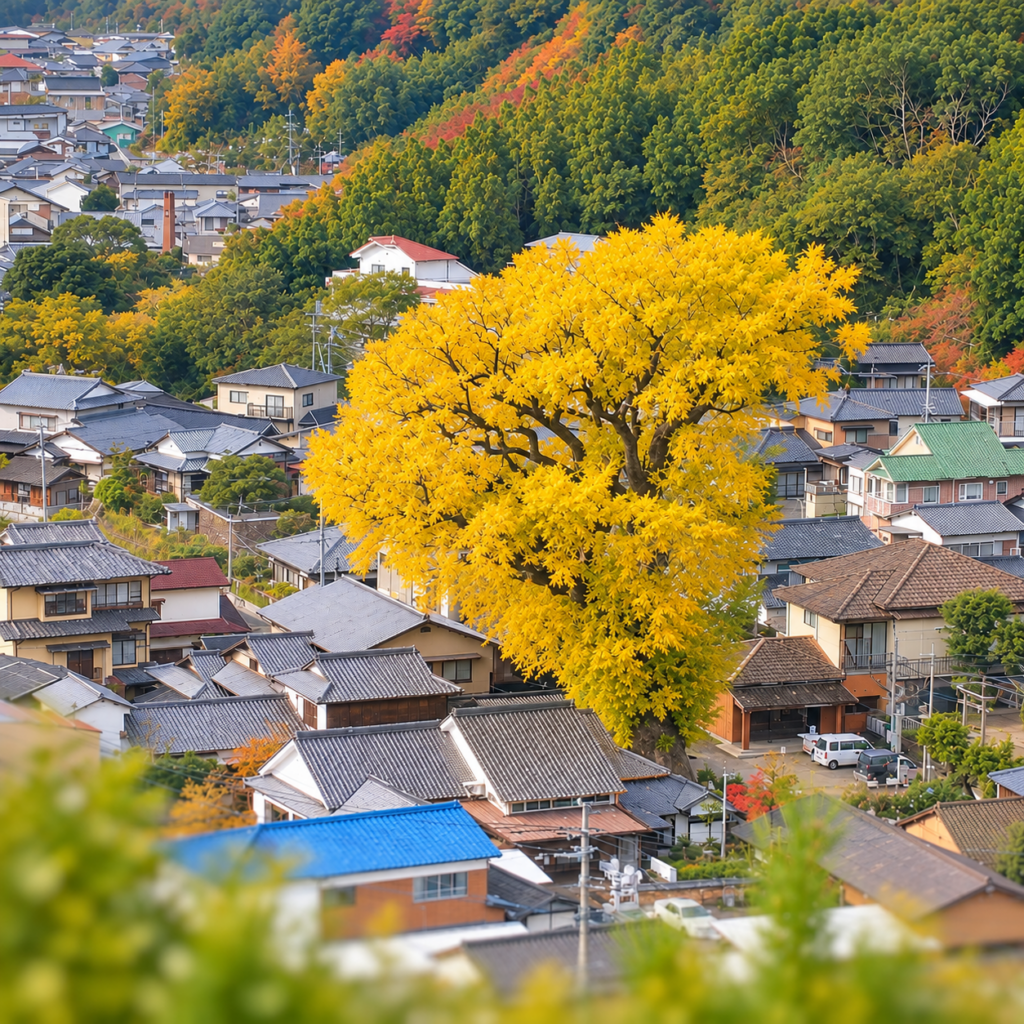
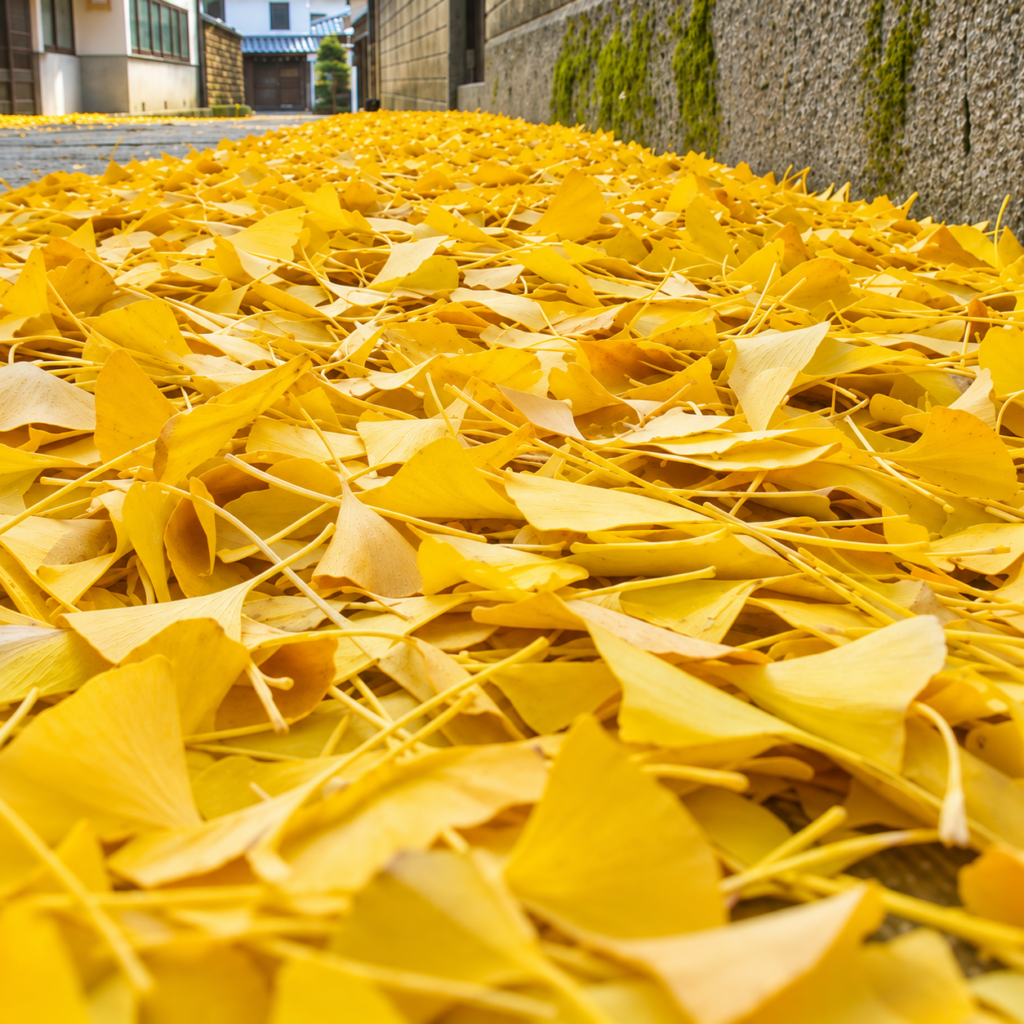
画像出典:有田観光協会ウェブサイト「ありたさんぽ」
食と器の親和性
「秋の有田陶磁器まつり」では毎年、有田焼の器と地元の食材を組み合わせた食の催しも行われ、実りの季節を楽しむことができます。そこには、食文化とともに育まれてきた歴史があります。
萬二は、花器や壷、大皿などの大作を手がける一方で、有田焼と食文化との関係について、次のように語っています。
「有田焼は食文化とともにあるもの。1300℃もの高温で焼き、衛生的にもすぐれ、強度もある。器として使われることで、有田焼は400年の歴史を絶やさずつないで来られたのです。」
※磁器は高温で焼成することで緻密に焼き締まり、吸水性が低いことから衛生的で、高い強度を備えているとされています。さらに、表面を覆うガラス質の釉薬によって、汚れがつきにくく、清潔に保ちやすいという特性があります。
※井上萬二窯では1300℃で焼成していますが、焼成時の温度は各窯によって異なります。
萬二はさらに、磁器と食文化の関係について、このように語っています。
「西洋を見ても中国を見ても、磁器の文化は土地の食文化と切り離すことができません。同様に有田焼は、和食の文化と切っても切れない関係にあります。和の器は手で持った時の触り、手や口に触れたときの心地よさなどがより重要になりますよね。」
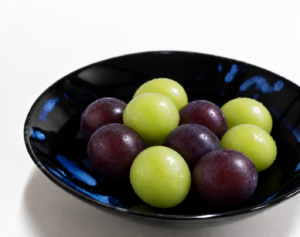
季節を感じる食材の色と器の色のコントラストに新しい感性が芽生えたり、日々の食卓が器を変えることで味が変わったように思えたり、つややかな器の表面とそこに盛られた旬の果物の瑞々しさが調和したさまに、うっとりしたり。器を手に取り、選び、そのとき、その季節に出会う食とともに味わう。
こうした営みを通して、器は食べ物を盛るための道具であるばかりでなく、手に触れ、目で楽しみ、食の時間に寄り添い、心を豊かにしてくれるものでもあるのだと気付かされるのです。
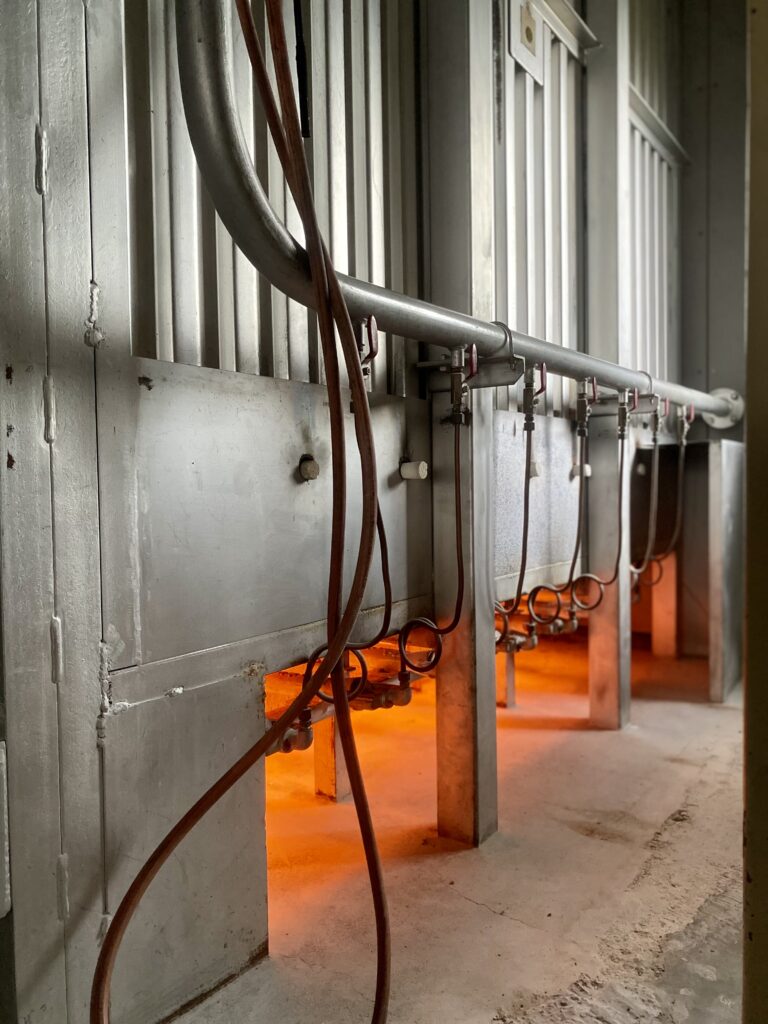
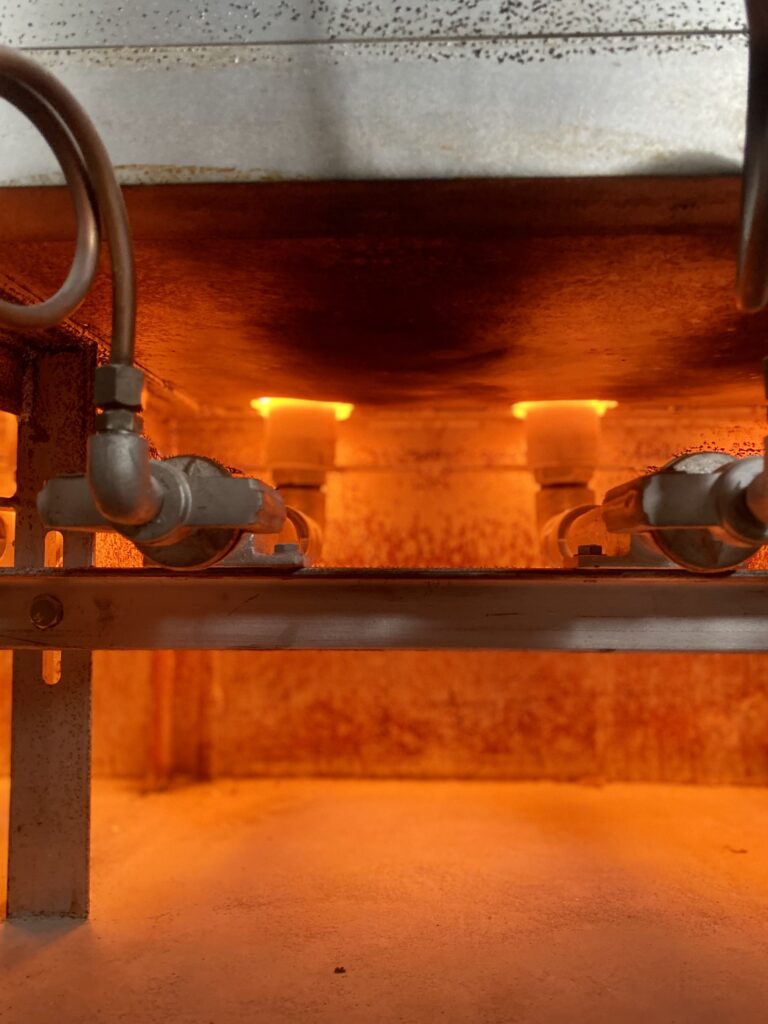
1300°もの高温で焼成する本焼き中の窯の様子
萬二が見つめた、ものづくりと「用の美」
器の需要は、産業としての有田焼を支え、発展させてきました。戦後には、器づくりにも機械が導入され、量産化が進みました。
そうした時代の変化のなかで、萬二はものづくりについて次のように語っています。
「機械が悪く、手仕事がいいという、単純な話ではありません。機械を使うときでも、手でものをつくるときと同じように考え、工夫したなら、手づくり以上に精巧なものができるはずですから。」
また、食の器について「美でありながら、用でもある」ことを理想とし、「用の美としての器」という考えを示しています。
「確かな技術と己の美的感覚で、最高の作品をつくる。これが作家の使命です。(料理人の技と)互いの切磋琢磨があって、和食の文化は今日の発展を見たのではないでしょうか。」
秋の有田を彩る街並みや食。そして、その食を受け止める器。
有田焼は、400年以上にわたり、暮らしのなかで使われる器として食文化とともに歩んできました。
使われるものでありながら、姿が美しいものである。
その「用」と「美」の両方を追い求めることもまた、萬二が大切にしてきた器の姿なのです。
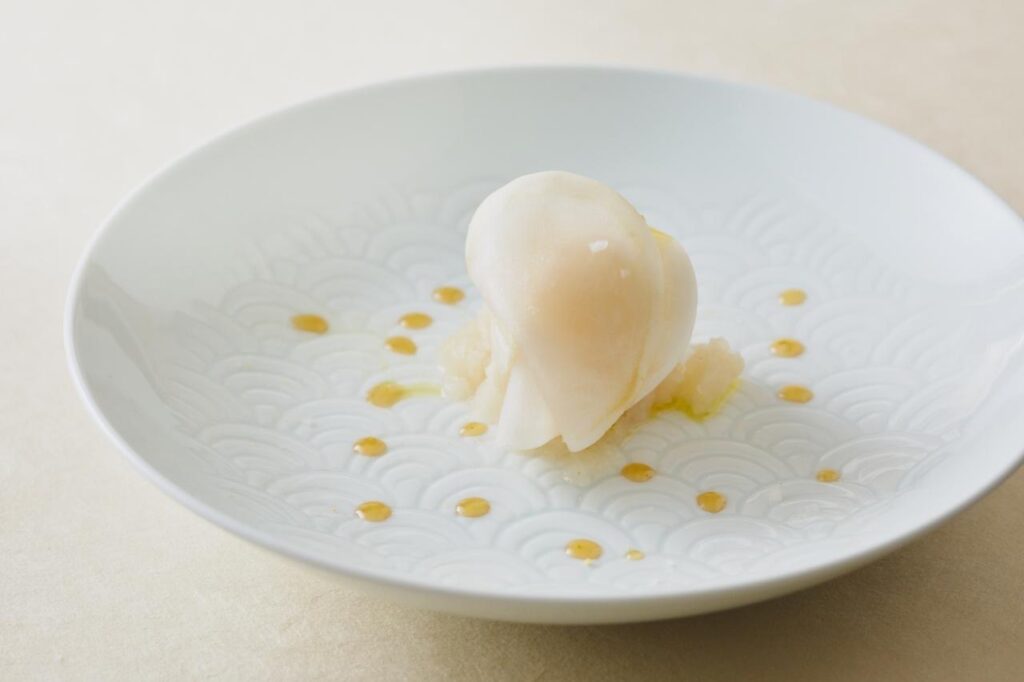
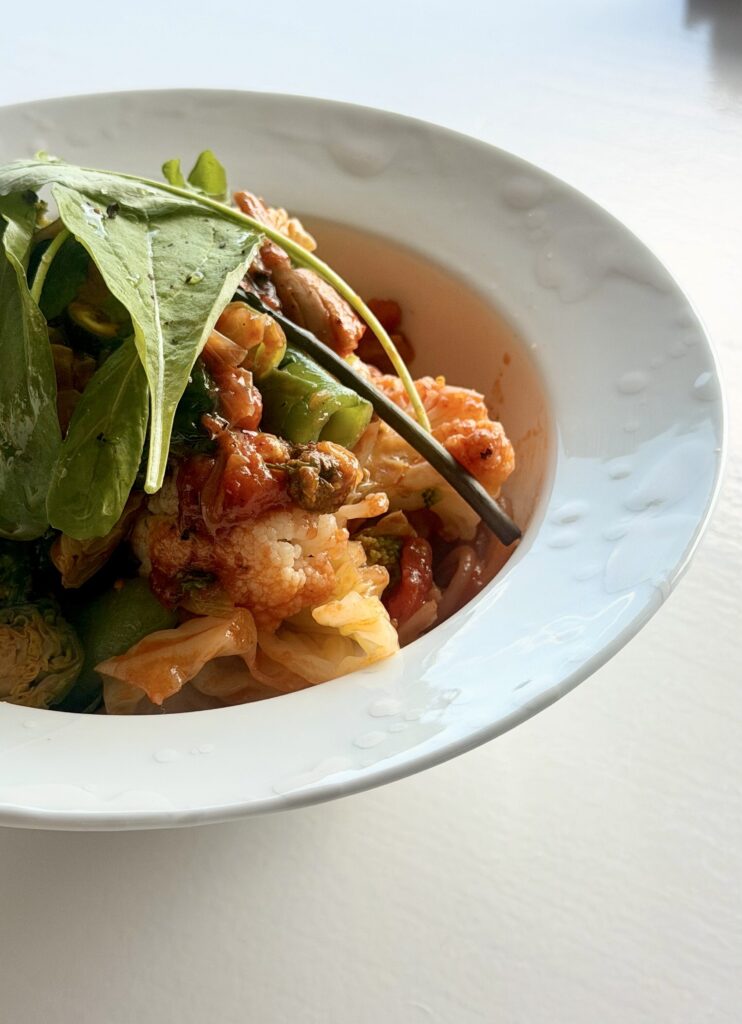
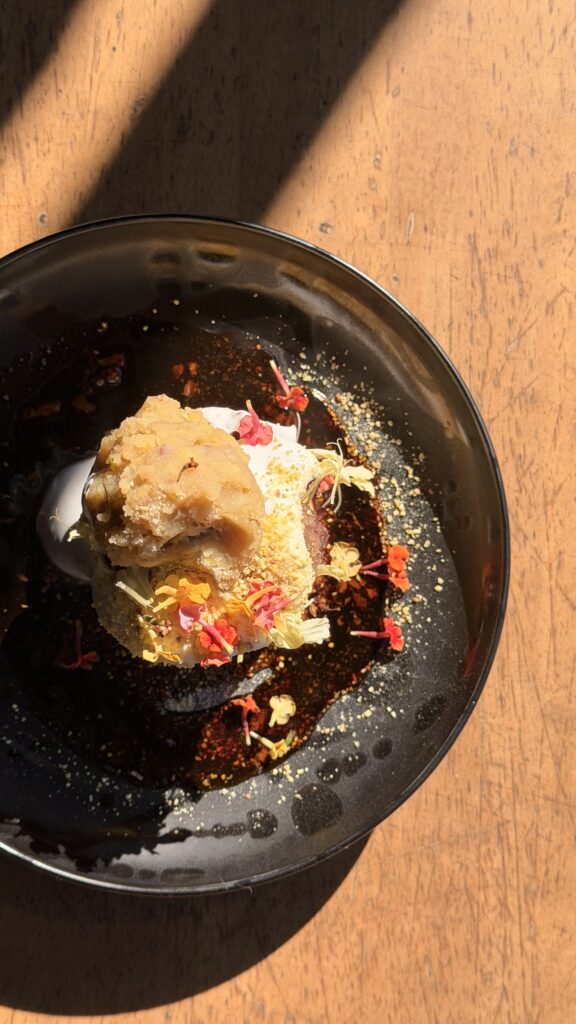
左:井上祐希作『白磁釉滴リム鉢』右:『黒釉滴ケーキ皿(マット)』
出典:『料理通信』掲載インタビュー(2015年12月16日)ARITAが見据えるこれからの400年
「究極の器で至福の佐賀の食 井上萬二窯編」
※上記インタビューより、井上萬二の発言のみ一部抜粋してご紹介しています。
次回は、井上萬二窯ギャラリーより、季節を感じる食の器をその見どころとともにご紹介いたします。
The ‘Autumn Arita Ceramics Festival’, held every November, is not only a festival celebrating pottery but is also a much-loved event for enjoying the town of Arita as autumn deepens.
With the autumn foliage adding colour to the historic streetscape, visitors can explore the town by visiting potteries and shops whilst sampling Arita’s culinary delights.
In this vol.4, we are going to share about the background to the inception of the ‘Autumn Arita Ceramics Festival’ and also, Arita ware as tableware that enhances the bountiful autumn harvest, drawing on the words of Manji Inoue from an interview conducted in 2015, ahead of the 400th anniversary of Arita ware.
Culinary and Tableware : A Perfect Alliance
Every year, the ‘Arita Autumn Ceramics Festival’ features culinary events combining Arita-yaki tableware with local produce, allowing visitors to savour the bounty of the season. Behind this lies a history that has developed hand in hand with the region’s food culture.
Whilst Manji had created large-scale works such as vases, jars and large platters, he had spoken of the relationship between Arita-yaki and food culture as follows:
‘Arita ware is inextricably linked to food culture. Fired at temperatures as high as 1,300°C (2,372°F), it is both hygienic and strong. It is precisely through its use as tableware that Arita ware has been passed down uninterrupted for 400 years.’
‘Whether you look at the West or China, the culture of porcelain cannot be separated from the local food culture. Similarly, Arita ware has an inseparable relationship with the culture of Japanese cuisine. With traditional Japanese tableware, the feel when held in the hand and the comfort when it touches the hands or mouth become even more important, don’t they?’
*Porcelain is said to become densely compacted when fired at high temperatures; its low water absorption makes it hygienic and highly durable. Furthermore, the vitreous glaze covering its surface makes it resistant to staining and easy to keep clean.
*At the Inoue Manji Kiln, firing takes place at 1,300°C, though firing temperatures vary from kiln to kiln.
A new sensibility may emerge from the contrast between the colours of seasonal ingredients and the colours of the tableware; one might feel as though the flavour of a meal has changed simply by switching the tableware; or one might be enchanted by the harmony between the glossy surface of the tableware and the juiciness of the seasonal fruit served upon it. Picking up the tableware, selecting it, and savouring it alongside the food one encounters at that particular moment and in that particular season.
Through these experiences, we have come to realise that tableware is not merely a tool for serving food, but something to be touched by hand, enjoyed with the eyes, a companion during mealtimes, and a source of enrichment for the soul.
Manji’s Perspective: Craftsmanship and Beauty in Utility
The demand for tableware has underpinned and driven the development of Arita ware as an industry. In the post-war period, machinery was introduced into the production of tableware, leading to the expansion of mass production.
Amidst these changing times, Manji spoke of craftsmanship as follows:
‘It is not simply a matter of machinery being bad and handcrafting being good. Even when using machinery, if one thinks and devises solutions in the same way as when crafting by hand, it should be possible to produce items that are even more exquisite than those made by hand.’
Furthermore, regarding tableware, he held the ideal that it should be ‘both beautiful and functional’, expressing the concept of ‘tableware as the beauty of utility’.
‘To create the finest works through sound technique and one’s own aesthetic sensibility—this is the mission of the artisan. It is surely through mutual encouragement and refinement—in tandem with the skills of chefs—that the culture of Japanese cuisine has reached its present level of development.’
The streetscapes and cuisine that colour Arita in autumn. And the tableware that holds that food.
For over 400 years, Arita ware has walked hand in hand with food culture as tableware used in everyday life.
It is something that is used, yet its form is beautiful.
This pursuit of both ‘utility’ and ‘beauty’ is also the essence of the tableware that Manji had always cherished.
Source: Interview published in *Ryori Tsushin* (16/12/2015) ‘ARITA’s Vision for the Next 400 Years’
‘The Ultimate Tableware for the Bliss of Saga Cuisine: The Inoue Manji Kiln’
*This article presents selected excerpts from Inoue Manji’s remarks in the above interview.
In vol.5, we are going to introduce some seasonal tableware, along with the highlights of each piece from Inoue Manji gallery.
Thank you for reading Vol.4! We truly appreciate your support and we are really looking forward to bringing you the next post!